Himalayan Gateway: Soaring From Kathmandu To Lhasa, Traveling from Kathmandu to Lhasa is an extraordinary journey that offers breathtaking views of the Himalayas, an immersion into Tibetan culture, and a once-in-a-lifetime adventure across one of the most remarkable landscapes on Earth. Whether by air or overland, each route presents unique experiences and challenges. Understanding the...Read More
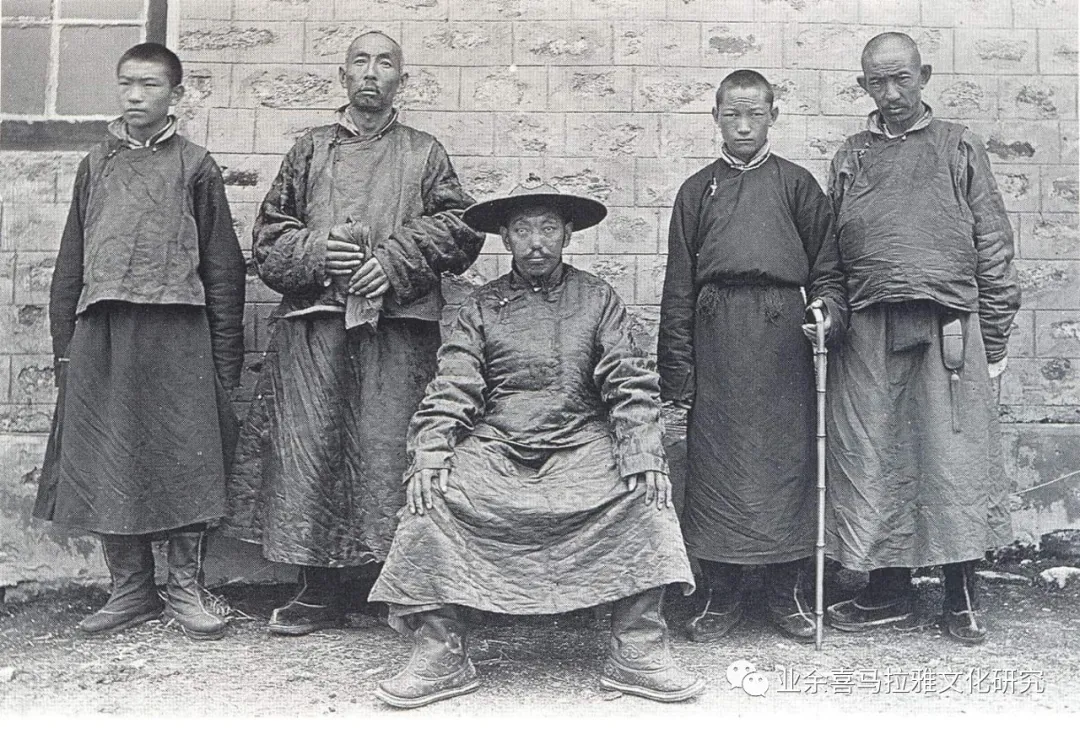
Who Was William Woodville Rockhill? William Woodville Rockhill was a prominent American diplomat and scholar whose career spanned the late 19th and early 20th centuries. Born in 1854, Rockhill’s academic pursuits led him to an exceptional understanding of Eastern cultures, particularly Tibetan and Chinese languages. He graduated from Harvard University, where his deep-rooted interest in...Read More
Discover the mystical Drachi Temple, a revered site dedicated to the Goddess of Wealth and Fortune. Explore the unique iconography of Drachi Lhamo, participate in ancient rituals for prosperity, and immerse yourself in the rich cultural heritage of this sacred Tibetan sanctuary.Read More
Delve into the transformative power of Tsok Offering, a key practice in Vajrayana Buddhism. Explore its versatility and inclusivity, offering spiritual benefits like breaking negative karma, extending longevity, and protecting from harm. Learn about its various forms, from the Yoga Collection Wheel to the Joyful Deity Tsok Offering, and how this practice symbolizes devotion and...Read More
Discover the clean and well-maintained toilets on Tibet trains, with separate Asian and Western-style options. Learn about the modern amenities and convenience for passengers, including disabled-friendly toilets and hygiene supplies.Read More
Embark on a spiritual adventure to Mount Kailash in Tibet, where you can attain inner peace and enlightenment. Explore the mystical route from India.Read More
Embark on a 7-Day Lhasa & Nyingchi Tour and immerse yourself in the breathtaking landscapes and rich culture of Tibet. Visit iconic sites and explore picturesque towns for an unforgettable adventure.Read More
Introduction to Milarepa and His Legacy Jetsun Milarepa, a revered figure in the realm of Tibetan Buddhism, embodies the essence of transformation and enlightenment. Born in the 11th century, Milarepa is often recognized as one of the most significant saints in the Buddhist tradition, particularly within Vajrayana Buddhism. His remarkable life story, marked by profound...Read More
Planning a trip to Tibet from Malaysia in 2024? Stay informed about travel regulations and requirements with our comprehensive guide. Experience the "Roof of the World" and prepare for a remarkable journey.Read More
Unveiling the Mysteries of Karub Ruins Nestled in the scenic terrains of Karub Village, merely 12 kilometers southeast of Chamdo county town, lies the remarkable archaeological site known as the Karub Ruins. This site, cradled by the majestic Lantsang and Karub Rivers, unfolds across various terraces, each telling a unique story of ancient civilization. Positioned...Read More
Discover how the "Tibet General Aviation Charter Flight Tourism Activities" are boosting Tibet's tourism industry and connecting its scenic resources. 🚁✈Read More
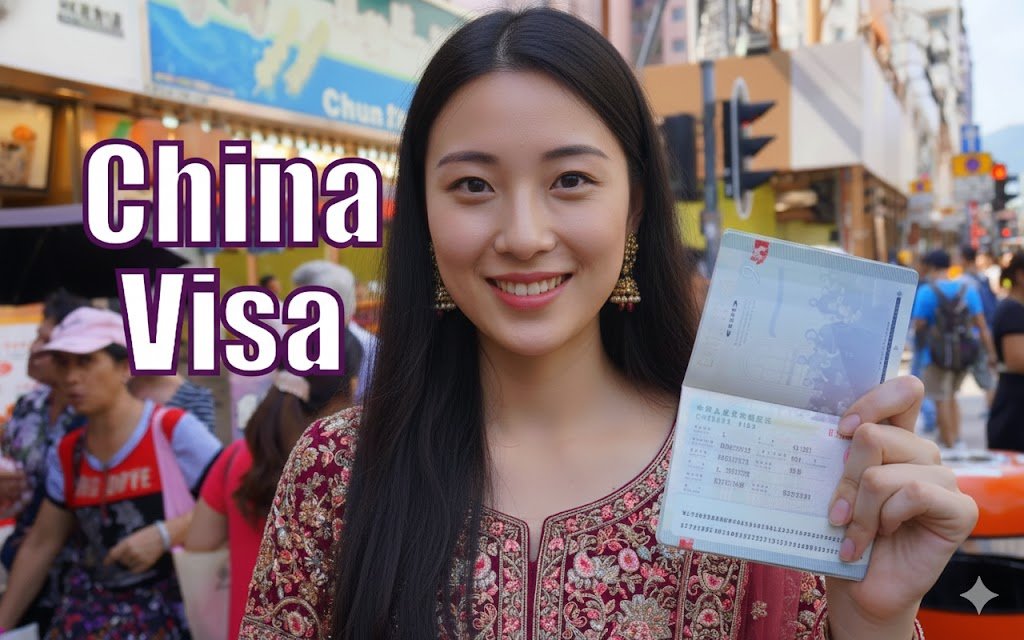
A China Visa is required for foreign tourists entering, leaving, or transiting through mainland China. Learn who should apply, how to apply, and more.Read More
Introduction to Tsangyang Gyatso Tsangyang Gyatso, revered as the sixth Dalai Lama, stands as a significant figure in the annals of Tibetan history, embodying the duality of a spiritual leader and a prominent poetic voice during the Qing Dynasty. Born in 1683 in Menyu, southern Tibet, his early life was marked by a blend of...Read More
Introduction to Tibet’s Economic Landscape The Tibet Autonomous Region (TAR) stands out within China’s economic framework due to its unique geographical, cultural, and resource endowments. With a rich array of natural resources, including minerals, water, and a significant potential for renewable energy, TAR possesses considerable economic potential. Over the past few decades, the region has...Read More
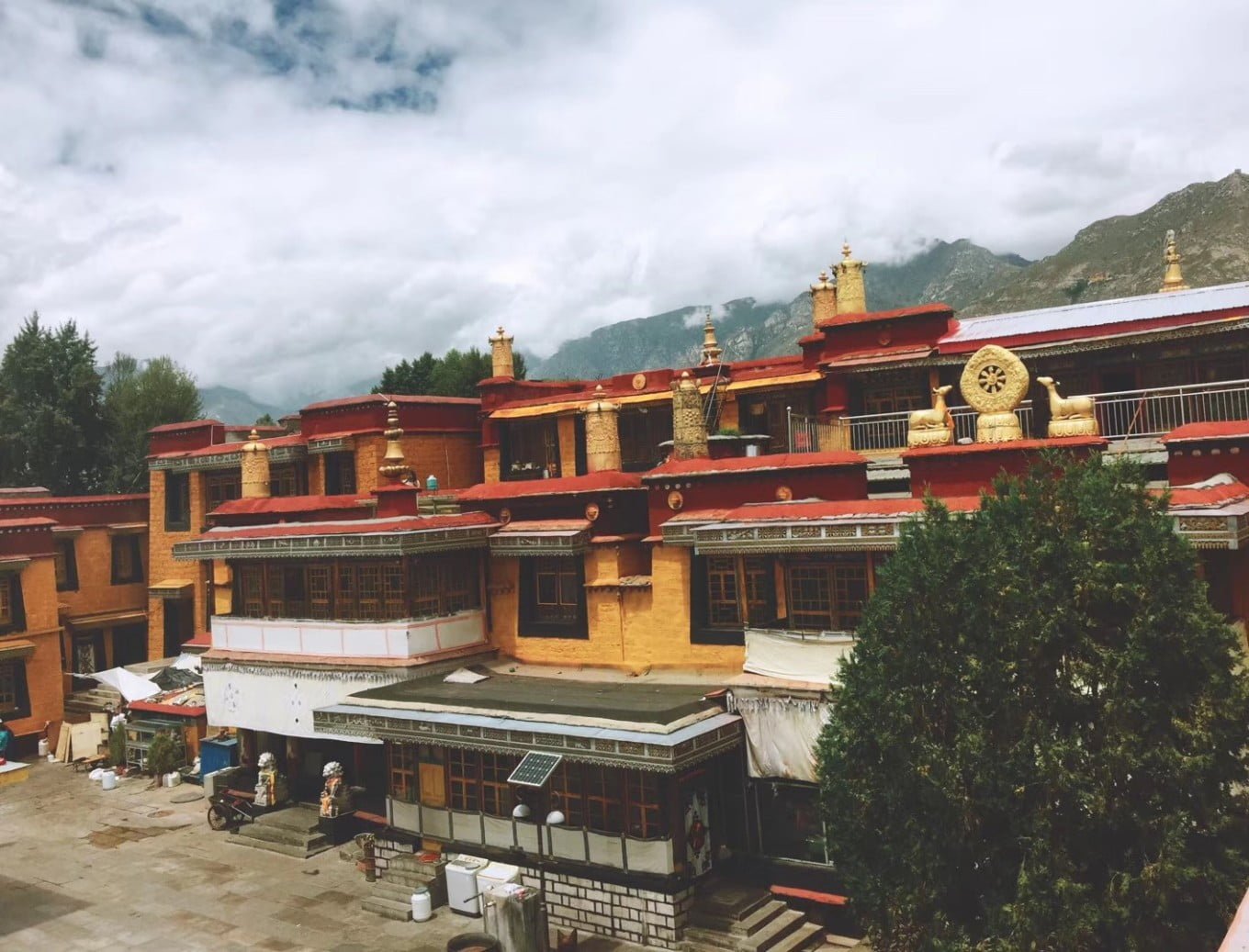
Explore the spiritual and cultural wonder of Nechung Temple in Lhasa. Uncover the history, architecture, and religious significance of this 7th-century Tibetan Buddhist temple, nestled in the Himalayas. Learn about the Baihar deity, the temple's unique layout, and its role in Tibetan Buddhism.Read More
The Tea Horse Road Cultural Tourism Festival celebrates the rich history and cultural heritage of Markam County. It is a crucial juncture in Eastern Tibet and a meeting point of Sichuan, Yunnan, and Tibet. The ancient Tea Horse Road, essential for trade and cultural exchange. Markham earned the reputation as a “Land of Marvelous Propriety.”...Read More
Explore the spiritual heritage of Tibet as we unveil the most popular monasteries in Tsedang and Nedong. Immerse yourself in the rich culture and history of these sacred sites.Read More
Introduction Traveling to Tibet from Canada offers a unique and transformative experience that combines rich cultural significance with breathtaking natural landscapes. As one of the most elevated regions on Earth, Tibet is renowned for its stunning mountains, expansive plateaus, and a vibrant heritage that reflects centuries of history. Canadian tourists often find themselves drawn to...Read More
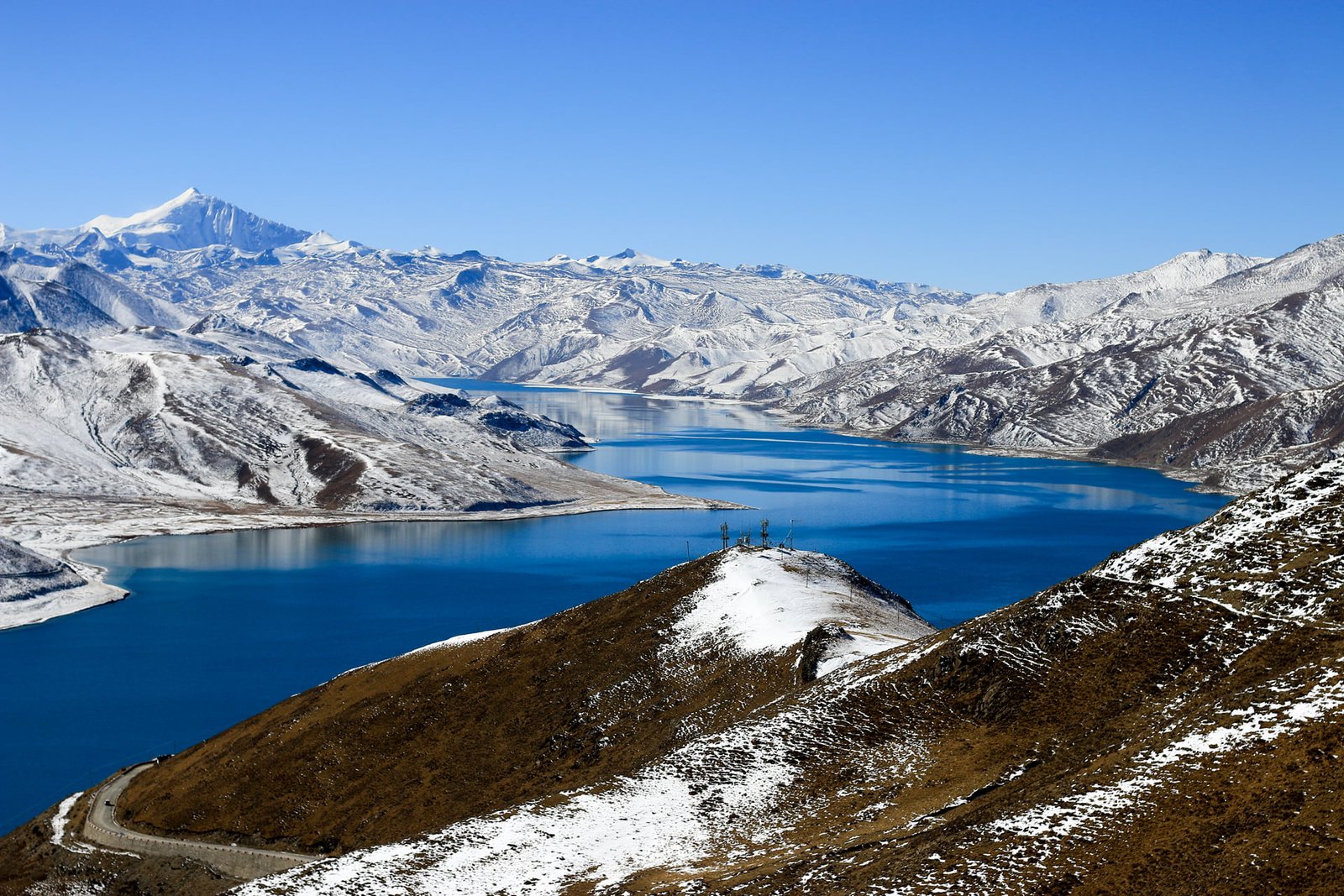
Discover the mystical charm of Tibet's sacred lakes. From the mesmerizing Yamdrok to the ethereal Namtso and divine Mapam Yumco, these lakes are a testament to nature's beauty and spiritual significance.Read More
Explore the enchanting border towns of Upper and Lower Zayü in Tibet, where diverse cultures, abundant natural resources, and breathtaking landscapes converge. From ancient glaciers to vibrant local markets, uncover the "Jiangnan of Tibet" and experience the unique blend of tradition and natural beauty in these secluded paradises.Read More
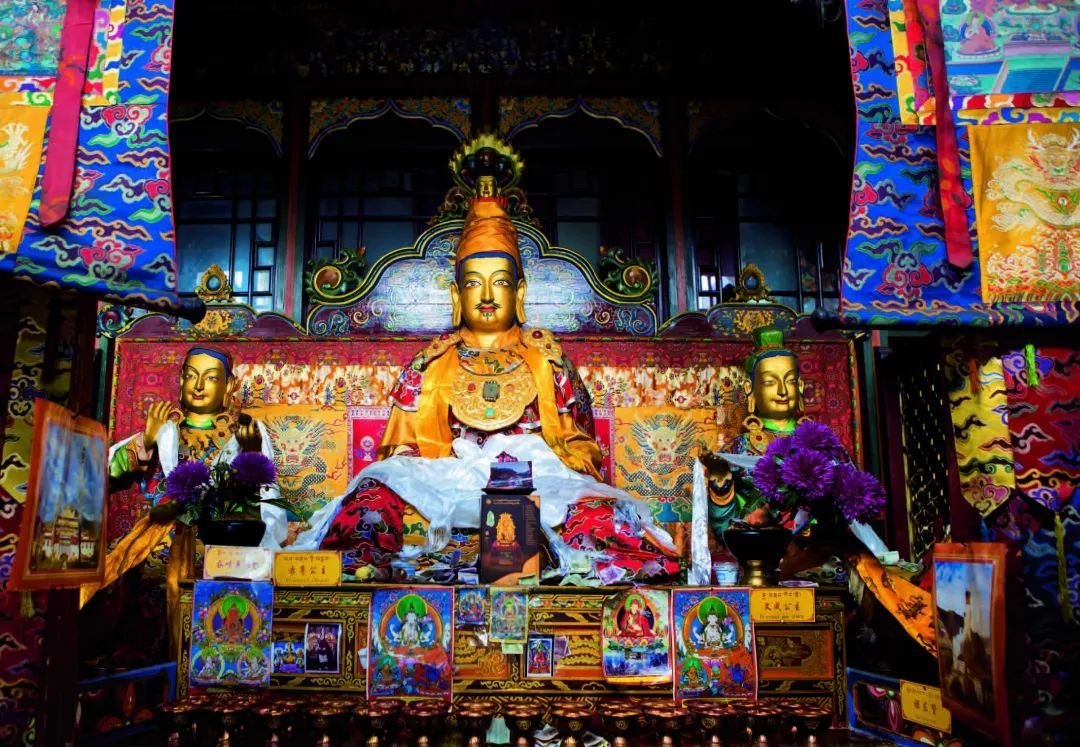
Nepal Princess Bhrikuti Devi, known to Tibetans as Bhelsa Tritsun, is traditionally considered to have been the first wife of the emperor of Tibet, Songtsän Gampo. Bhelsa Tritsun Songtsen Gampo Gyalsa Gongjo Even though the historicity of Bhrikuti Devi is not certain, and no reference to her has been found among the documents discovered at...Read More