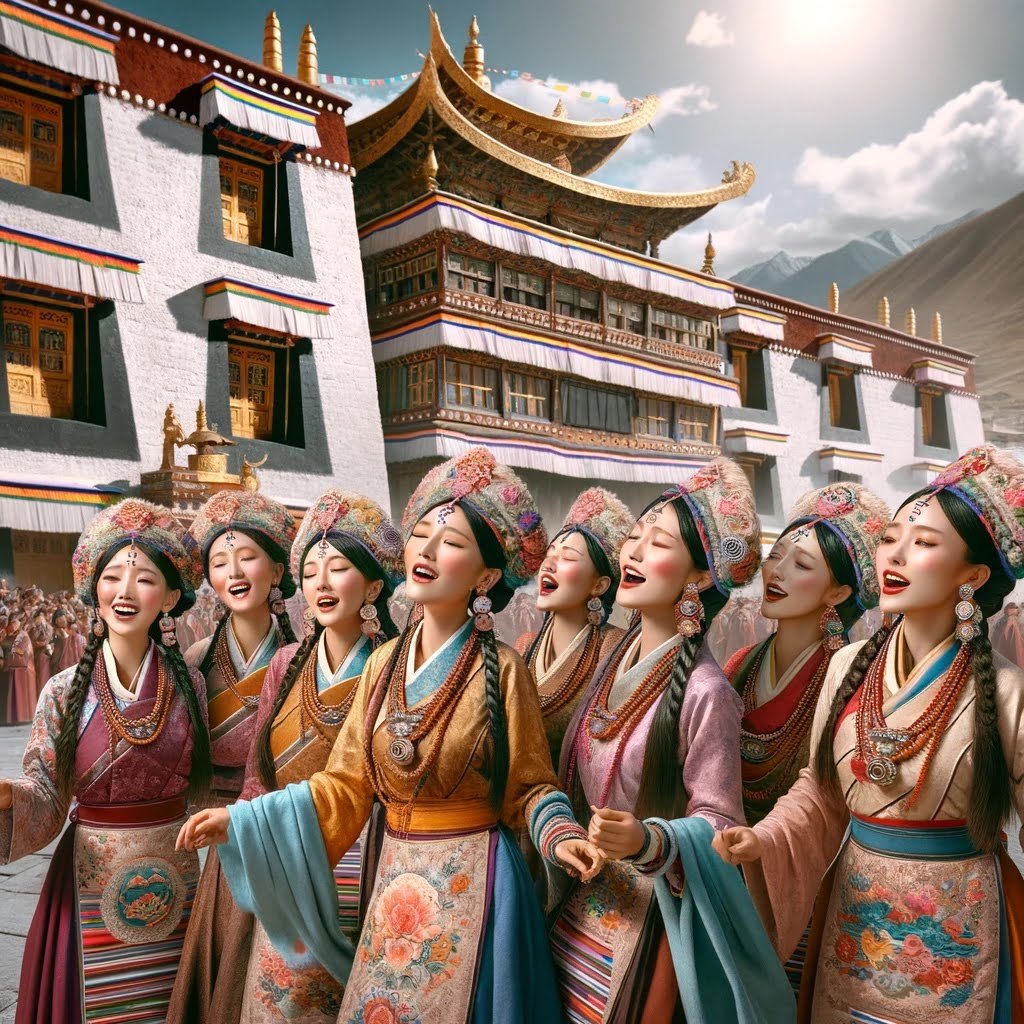
Discover the Pal Lhamo Fairy Festival: Celebrating Love and Tradition in Tibet Embracing the Magic of the Fairy Festival The Pal Lhamo Festival is known as the “Fairy Festival” in Tibetan. It is a unique and vibrant celebration that holds a special place in the cultural heart of Tibet. Celebrated on the 15th day of...Read More
Introduction Traveling from the UK to Tibet in 2025 presents a unique set of challenges and opportunities for adventure seekers and cultural enthusiasts alike. Due to the complex geopolitical landscape and travel regulations, direct flights from the UK to Tibet are currently unavailable, necessitating travelers to consider connecting routes through neighboring countries. The most common...Read More
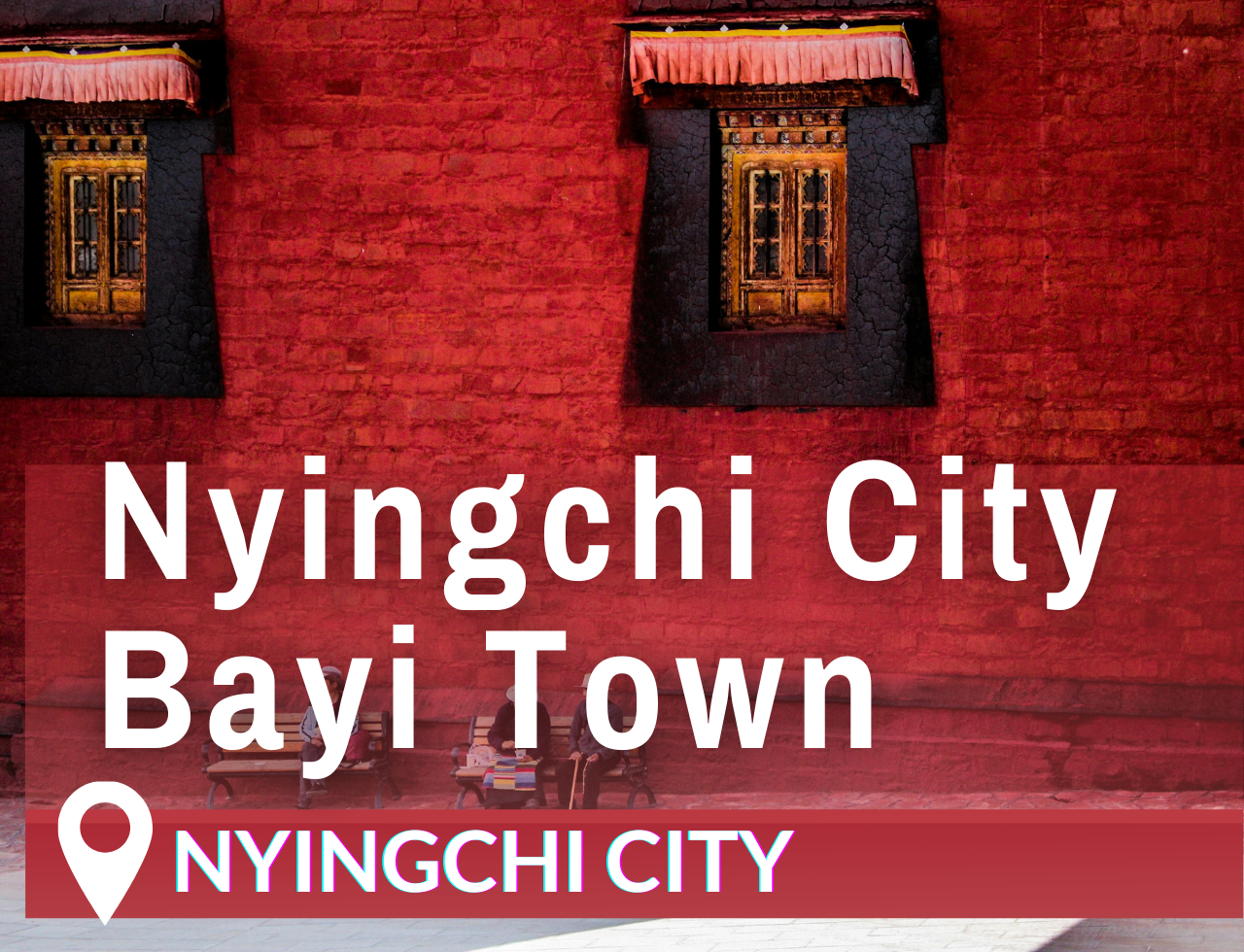
Discover the heart of Tibet in Nyingchi, the "Throne of the Sun." Journey through Bayi District's rich tapestry of cultural heritage, stunning natural landscapes, and progressive community life. From ancient traditions to environmental conservation, Nyingchi offers an inspiring story of resilience and unity. Join us to explore this unique destination where history, diversity, and breathtaking...Read More
Introduction to Tashilhunpo Monastery Tashilhunpo Monastery, located in the city of Shigatse in Tibet, holds a prominent place in the landscape of Tibetan Buddhism. Established in 1447 by the first Dalai Lama, it serves as the traditional seat of the Panchen Lamas, one of the most revered spiritual leaders in Tibetan Buddhism. The monastery not...Read More
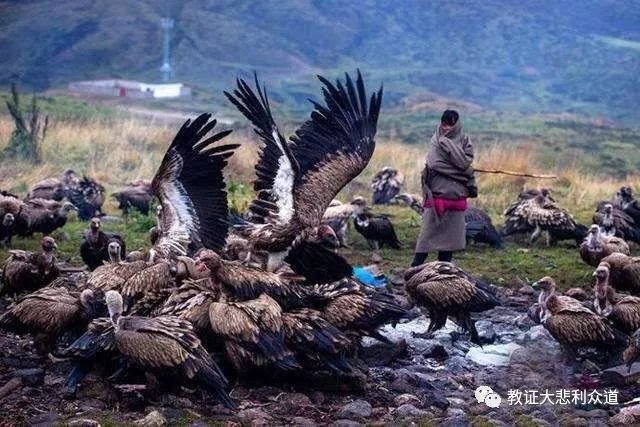
Die tibetischen Bestattungsriten: Ein Einblick in die Sicht auf den Tod Der Tod ist für alle unvermeidlich, und doch wird er in unterschiedlichen Kulturen verschieden betrachtet. Während der Tod für viele Menschen als etwas Schreckliches empfunden wird, sehen wir Tibeter ihn als natürlichen Übergang in einen neuen Lebenszyklus. Die tibetischen Bestattungsriten sind tief in der...Read More
Embark on an unforgettable adventure with our Chengdu Lhasa tour. Immerse yourself in China's rich culture and breathtaking landscapes. Book now!Read More
Top Tourist Attractions in Tibet for Canadian Travelers Tibet, also known as the “Roof of the World”, is a land of breathtaking landscapes, rich culture, and spiritual significance. Located in the Himalayas, Tibet is a popular destination for travelers from all over the world, including Canada. If you are a Canadian citizen planning to visit...Read More
Ganden Chokor Ling: The Spiritual Oasis in Nedong County Nestled in Tsedang Town, within the heart of Nedong County, stands the magnificent Ganden Chokor Ling, (དགའ་ལྡན་ཆོས་འཁོར་གླིང་།) a Buddhist sanctuary built in 1900 by the revered monk Jamyang Dhundup. The temple complex spans approximately 8090 square meters, featuring a square layout and traditional Tibetan architecture. With...Read More
Tashigang Monastery, a fascinating spiritual site, perches atop a small hill in Tashigang Township, just west of Ngari’s county seat and downstream of the Sengge Zangbo river. Founded by Lama Lhada Datsangwa, part of the Hemis Monastery system from Ladakh, it carries stories of faith that span centuries. A Unique Spiritual Heritage Legend tells us...Read More
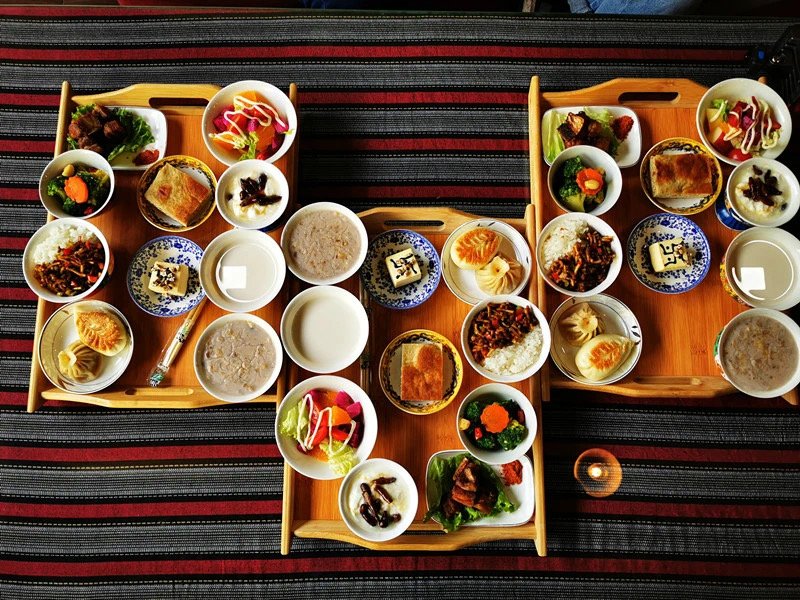
Bothuk tibetan noodles sweet tea sha baleb Tibetan Noodles (藏面) Ingredients and Preparation:Tibetan noodles, or Thukpa, are made primarily from wheat flour. The noodles are rolled, shaped, cooked, and then air-dried for storage. When ready to eat, the noodles are reheated in a hot broth made from yak meat and bones, ensuring a rich, flavorful...Read More
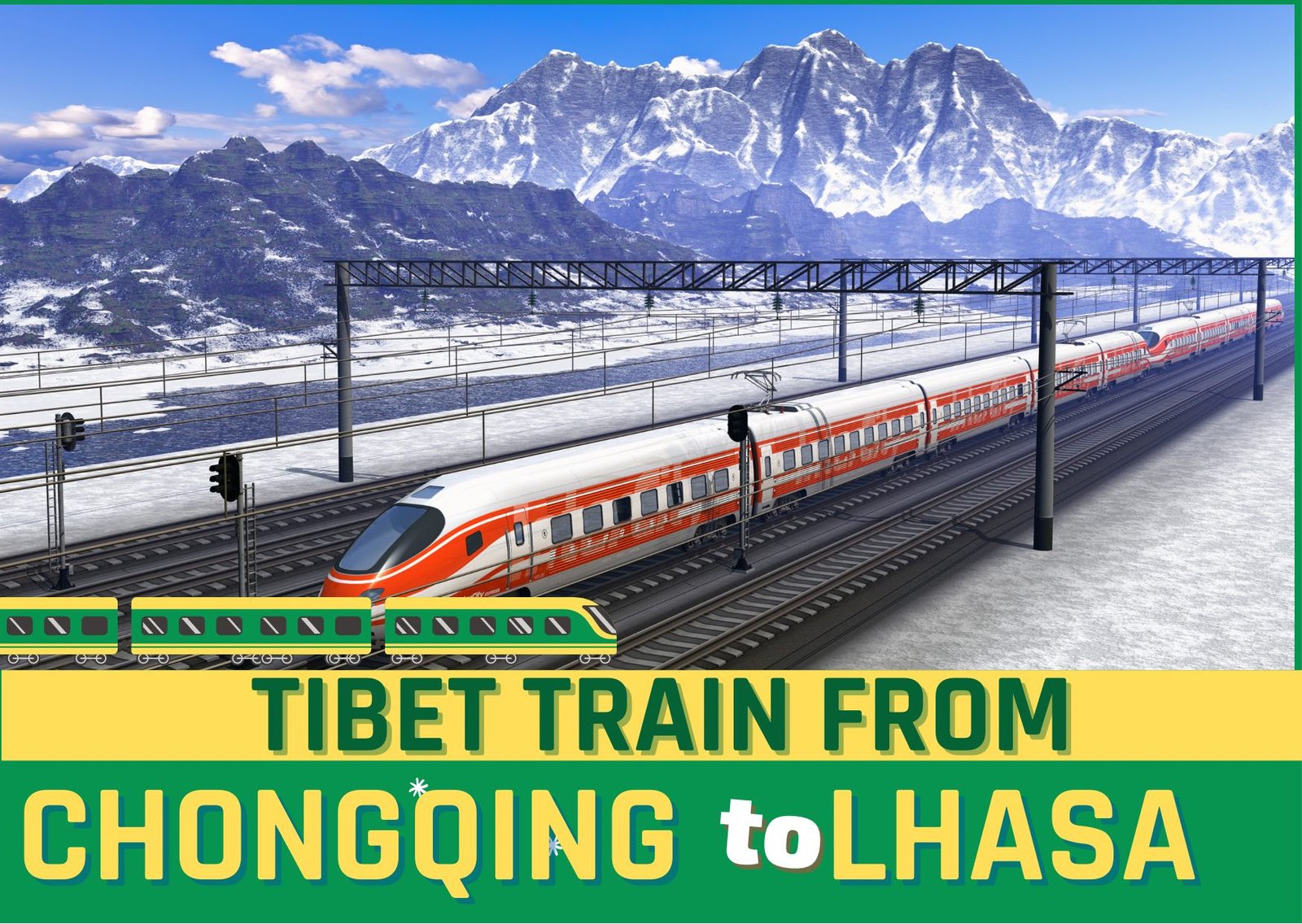
Chongqing to Lhasa Train Journey: A Scenic Route Through China’s Stunning Landscapes The Chongqing to Lhasa train journey is one of the most scenic and culturally rich rail routes in China, covering a distance of approximately 3,030 to 3,269 kilometers (1,926 miles). This journey takes around 33 to 37 hours, passing through diverse landscapes, including...Read More
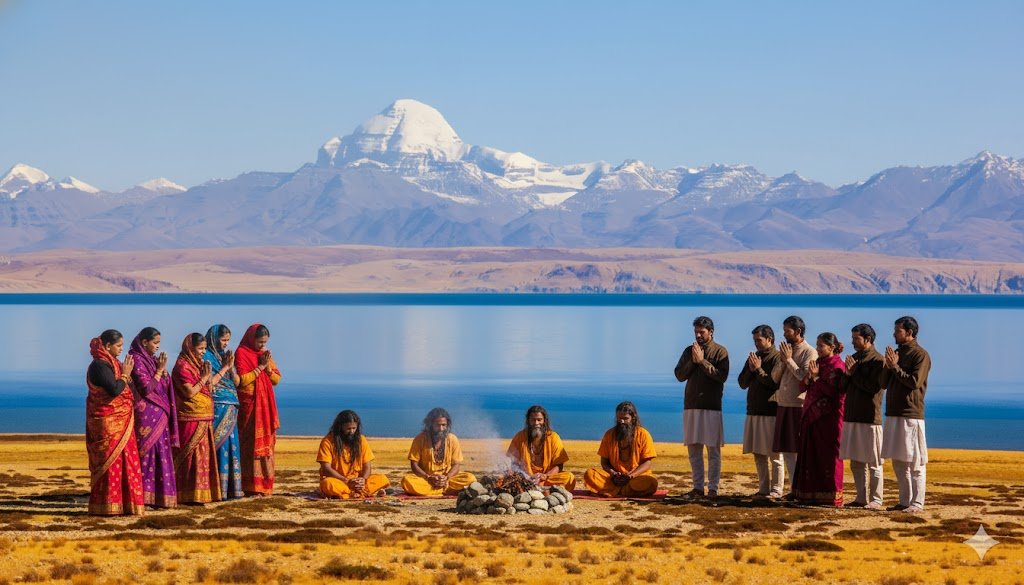
Mount Kailash: The Holiest Mountain in Four Religions Mount Kailash, located deep in the Tibetan Plateau, is one of the most sacred mountains in the world. It is revered simultaneously in Hinduism, Buddhism, Jainism, and Bon, making it a rare spiritual convergence point across civilizations. In Hindu belief, Mount Kailash is the eternal abode of...Read More
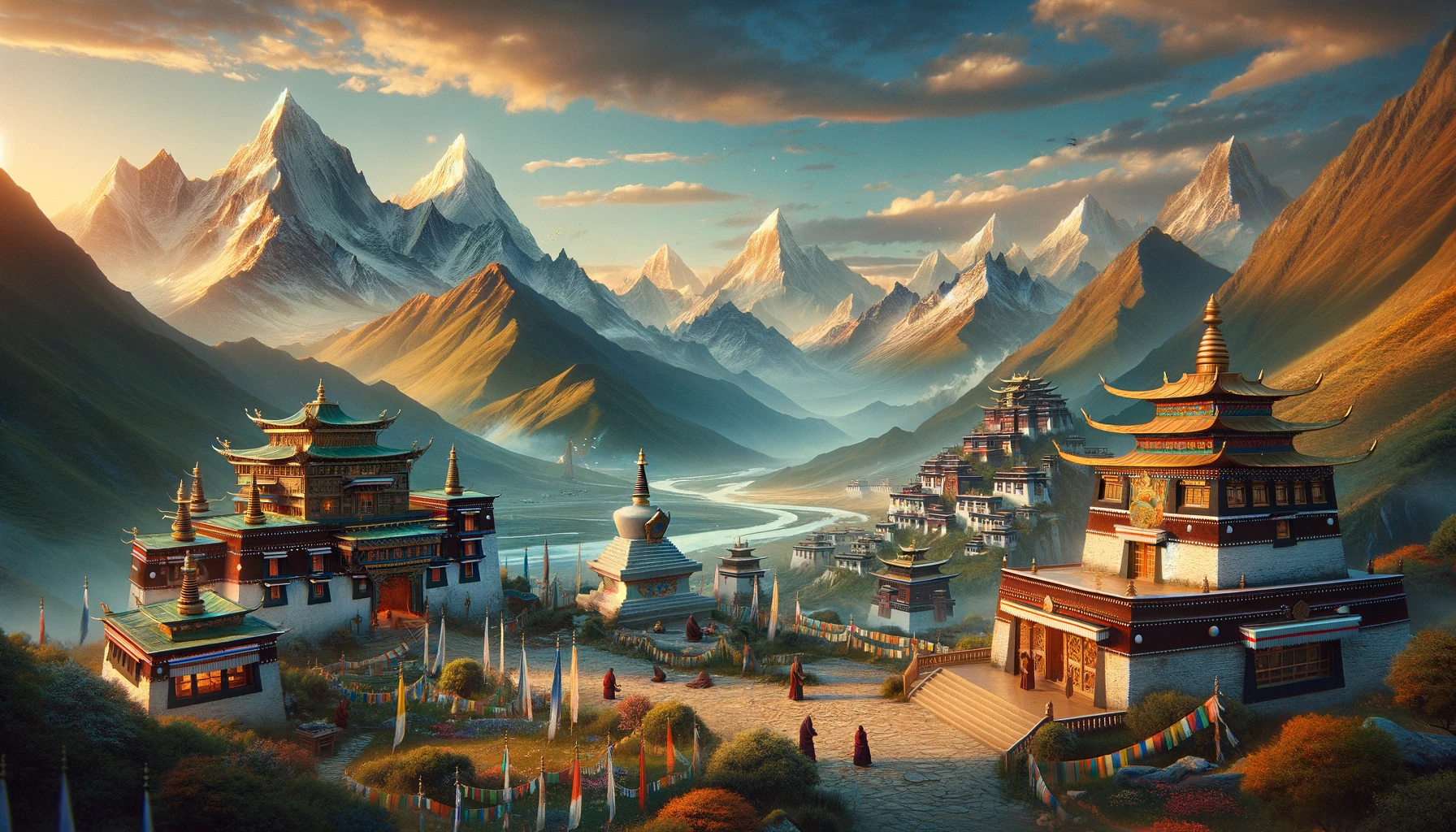
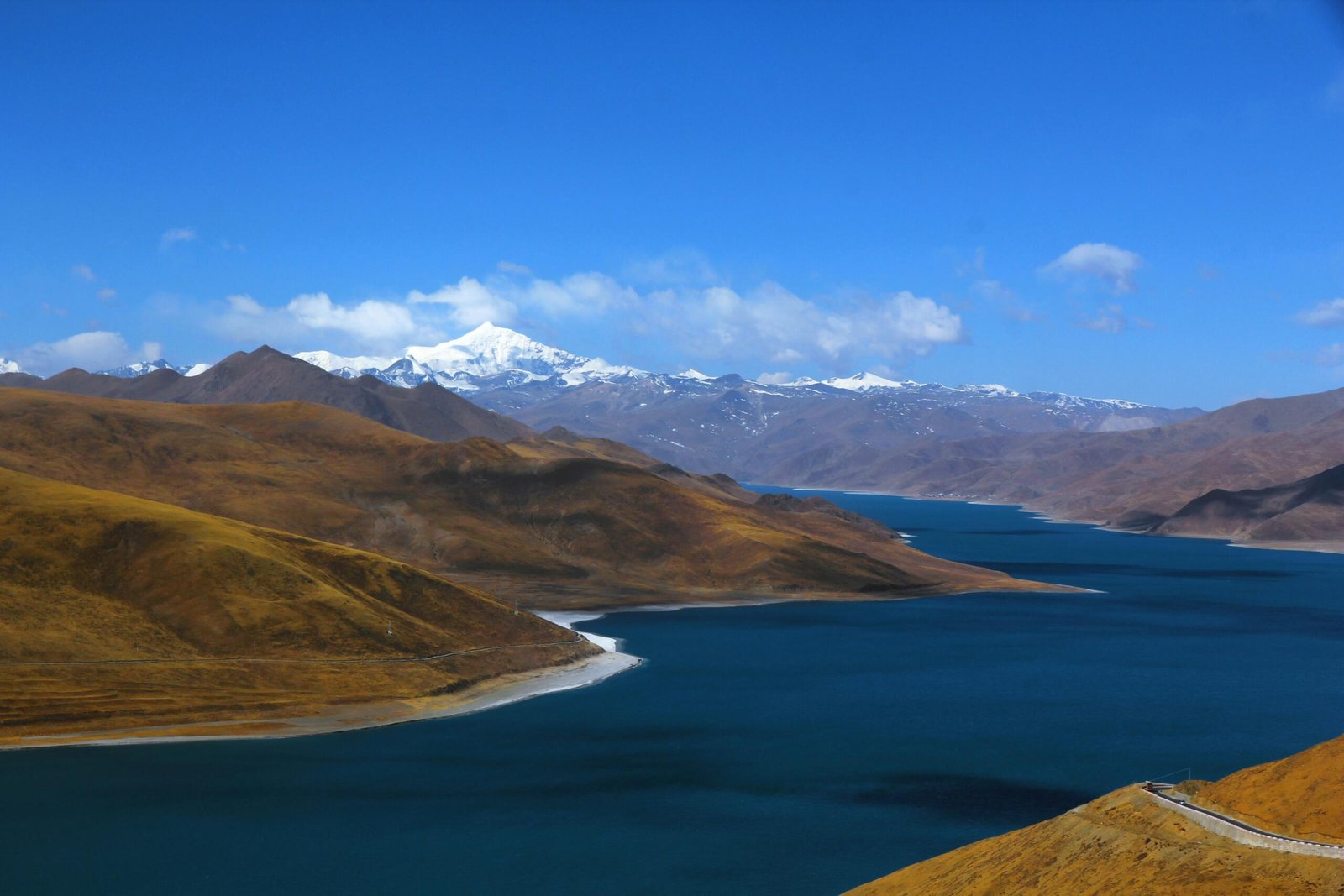
Embark on a journey through Tibet's awe-inspiring landscapes. Uncover the mysteries of sacred peaks like Gang Gyalmo, Jomo Lhari, and Kangchen Junga. Dive into the rich tapestry of Tibetan culture, spiritual significance, and natural wonders. Perfect for trekkers, cultural enthusiasts, and spiritual seekers.Read More
Lhasa is more than just a city; it's a testament to Tibet's rich history, culture, and spirituality. With its majestic palaces, sacred temples, and breathtaking natural scenery, Lhasa continues to captivate the hearts of travelers and locals alike. As the spiritual heart of Tibet, it remains a city where the past and present coexist, inviting...Read More
Introduction to Tibet Tours Tibet, often referred to as the “Roof of the World,” is a destination that captivates the imagination of travelers with its majestic landscapes and profound spiritual heritage. Nestled in the heart of the Himalayas, this remote region offers an unparalleled blend of natural beauty and cultural richness, making it a unique...Read More
Introduction to Tibet’s Economic Landscape The Tibet Autonomous Region (TAR) stands out within China’s economic framework due to its unique geographical, cultural, and resource endowments. With a rich array of natural resources, including minerals, water, and a significant potential for renewable energy, TAR possesses considerable economic potential. Over the past few decades, the region has...Read More
Nestled at the foot of the vibrant Wango Shen Mountain and gently caressed by the tranquil waters of the Nyang River, Walnut Village, known locally as “Gongzhong Village,” sits at an altitude of 2900 meters, covering an area of 40 acres. “Gongzhong,” meaning “forest at the foot of the mountain” in Tibetan, perfectly encapsulates the...Read More
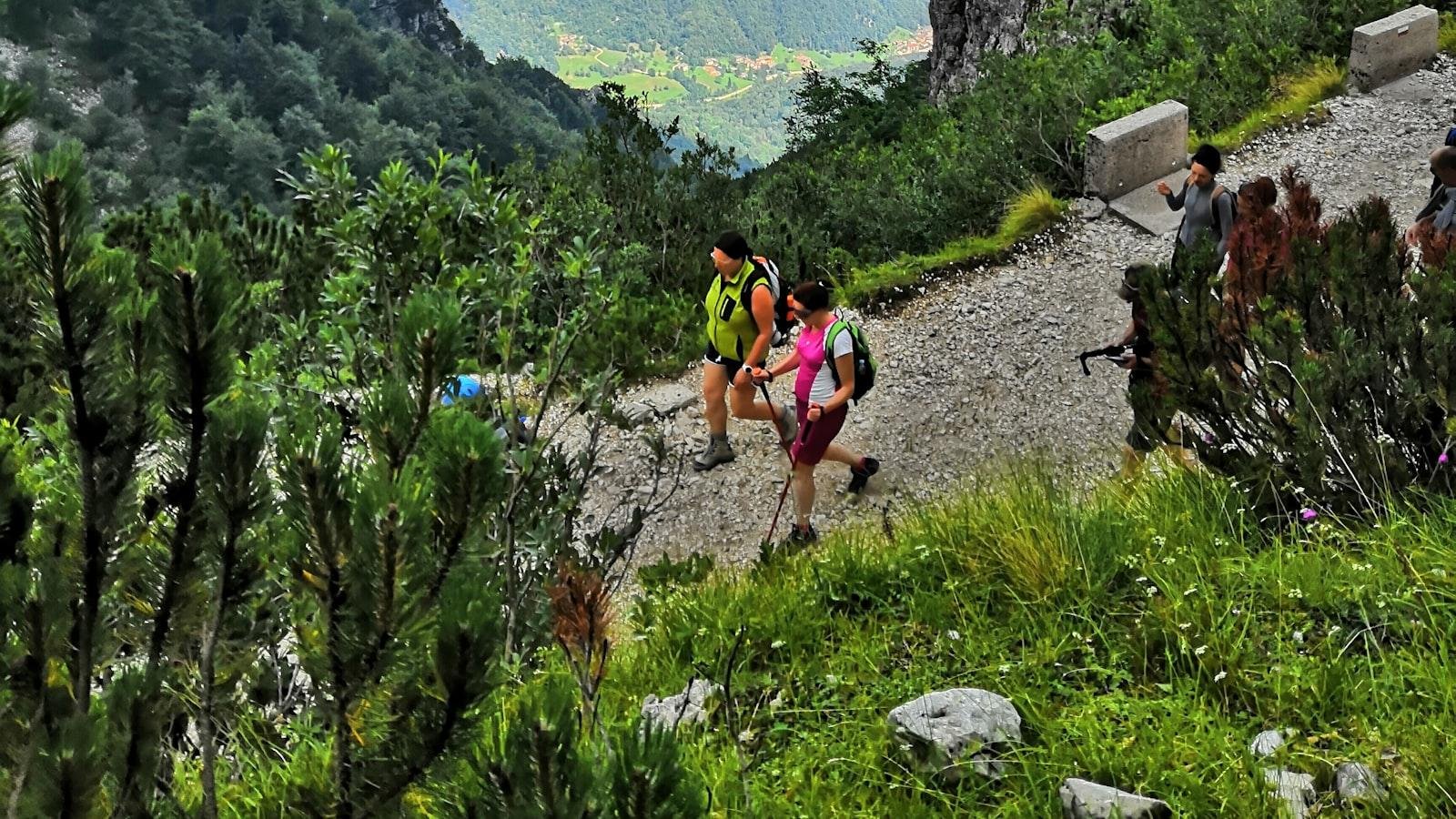
Tibet is a land of breathtaking landscapes, ancient monasteries, and unique culture. For outdoor enthusiasts, trekking in Tibet offers an unparalleled adventure amidst some of the most spectacular scenery on the planet. From towering mountains to serene lakes, Tibet is a paradise for hikers seeking a true wilderness experience. In this article, we will explore...Read More
Tibet, often referred to as the “Roof of the World,” is a land shrouded in mystery and rich spiritual tradition. It is home to a remarkable array of sacred mountains, each with its own historical significance and breathtaking landscapes. The “Eight Holy Mountains,” considered the most revered sacred mountains in Tibet, hold a unique place...Read More
Il Sera Monastero, situato nei pressi di Lhasa, in Tibet, è uno dei tre grandi monasteri universitari della tradizione Gelug del buddhismo tibetano. È rinomato per il suo metodo unico di insegnamento, in particolare per i dibattiti monastici, che rappresentano un aspetto fondamentale dell’educazione dei monaci. Il Dibattito Monastico al Monastero di Sera Il dibattito...Read More
Discover the Land of Snows and Soaring Peaks! Our guide to Tibet travel takes you on a journey from Nepal to Nirvana, where every step is a celebration of life and joy.Read More